
6 Common Mistakes Exotic Pet Owners Make (And How to Avoid Them)
Owning an exotic pet—whether it’s a reptile, bird, or small mammal—offers a unique bond, but these creatures require specialized care. And when it comes to exotic animals, the difference between doing things right and making costly mistakes could mean the difference between a thriving pet and a pet that’s struggling. Let’s take a look at the six most common mistakes owners make and how you can avoid them, ensuring your exotic pet lives its best life. 🐍💚
1. Inadequate Research and Preparation 🧐
The Mistake:
It’s easy to get swept up in the excitement of bringing a new exotic pet into your home. But many pet owners dive in without fully understanding what their new companion needs to thrive. Whether it’s the wrong habitat, a poor diet, or neglecting socialization requirements, not doing your homework can spell disaster.
How to Avoid It:
Before you even think about bringing that exotic animal home, take the time to research. Study species-specific care sheets, reach out to experts, and, most importantly, consult with exotic vets. Think about the long-term cost of food, space, and medical care. Are you prepared for the responsibility? If not, you might want to rethink your decision.
Resource:
- Auburn University’s “Top 10 Mistakes to Avoid for the Exotic Companion Animal in the ER”[2].

2. Poor Diet and Nutrition 🍽️
The Mistake:
Many owners make the grave error of assuming that their exotic pet can eat just about anything. Reptiles and small mammals have very specific dietary needs, and improper nutrition can cause everything from obesity to severe organ damage. It’s not a one-size-fits-all scenario when it comes to feeding your pet.
How to Avoid It:
Know exactly what your pet needs. Provide a balanced, species-appropriate diet that includes the right mix of commercial foods, fresh produce, and—when applicable—live prey. Remember to avoid toxic foods that are often taken for granted (hello, avocado for birds and chocolate for reptiles). Regularly check if your pet is hydrated properly and if any specific food is off-limits.
Resource:
- Petpedia’s exotic pet feeding guide[5].

3. Improper Cage Setup and Husbandry 🏡
The Mistake:
A cramped cage with inadequate ventilation, poor lighting, and no room for enrichment is a one-way ticket to a stressed, unhealthy pet. Exotic pets need environments that replicate their natural habitats, and failing to set up a proper living space is one of the quickest ways to shorten your pet’s lifespan.
How to Avoid It:
Start by setting up an enclosure that matches your pet’s needs—size, ventilation, temperature, humidity, and lighting. Keep your pet’s environment as close to its natural habitat as possible with the right substrate, temperature regulation, and even climbing structures or hiding spots. Regular cleaning and maintenance are a must.
Resource:
- Nye County’s housing requirements for exotic animals[7].

4. Ignoring Social and Behavioral Needs 🤝
The Mistake:
Exotic pets have complex social and behavioral needs. Some thrive in social groups, while others are solitary by nature. Ignoring these needs can lead to frustration, aggression, and even self-destructive behavior. Your pet’s mental health is just as important as its physical health.
How to Avoid It:
Is your pet a social butterfly, or does it prefer solitude? Learn your pet’s social needs and make sure you’re providing proper enrichment. Whether it’s climbing, foraging, or interacting with you, it’s vital to meet your pet’s psychological and emotional needs. Don’t overlook the importance of mental stimulation, even for solitary animals.
Resource:
- Wareham Animal Hospital’s socialization tips[6].
5. Skipping Preventive Veterinary Care 🩺
The Mistake:
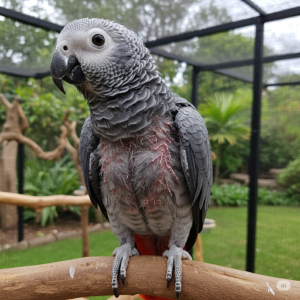
Exotic pets often hide symptoms of illness, and by the time you notice something’s wrong, it could be too late. Regular veterinary visits are crucial, but many owners only take their pets to the vet when things have already gone downhill. Preventive care can make all the difference.
How to Avoid It:
Schedule routine check-ups with a veterinarian who specializes in exotic animals. Even if your pet seems healthy, regular exams help catch any issues early. And remember, knowledge is power—learn to spot subtle signs of illness in your pet so you can seek help before a crisis arises.
Resource:
- Auburn University’s ER tips for exotic pets[2].
6. Failing to Spay or Neuter When Appropriate 🐾
The Mistake:
Not spaying or neutering your exotic pet, especially ferrets, can lead to serious health complications. For instance, unspayed female ferrets face the risk of fatal hormone-related conditions if they are not bred or given hormone treatment. A small oversight could mean a big problem.
How to Avoid It:
Consult with an exotic vet to determine if spaying or neutering is necessary for your pet. Many species of exotic animals, like ferrets, benefit from this simple procedure to avoid long-term health issues. Always err on the side of caution.
Resource:
- Bird & Exotic Pet Veterinary Service’s list of common care mistakes[3].
Summary Table 📝
| Mistake | How to Avoid | Key Resource |
| Inadequate Research | Research species, consult experts | [2] |
| Poor Diet/Nutrition | Provide a balanced, species-specific diet | [5] |
| Improper Cage Setup | Follow species guidelines, provide enrichment | [7] |
| Ignoring Social/Behavioral Needs | Provide enrichment, understand social needs | [6] |
| Skipping Preventive Vet Care | Schedule regular check-ups, learn illness signs | [2] |
| Not Spaying/Neutering When Needed | Consult an exotics vet for advice | [3] |
Final Tips 💡:
- Knowledge is Power: Always research your exotic pet’s care needs and stay informed about their species-specific needs.
- Consult Professionals: Don’t shy away from getting advice from exotic vets—your pet’s health depends on it.
- Join Communities: Surround yourself with experienced exotic pet owners who can share valuable tips and advice.
By dodging these six common pitfalls, you’ll create a safe, healthy, and enriching environment for your exotic pet to thrive in. After all, exotic pets may be different, but with the right care, they make the most loyal and fascinating companions. 🐢💕
Citations:
- Auburn University’s ER tips for exotic pets
- Petpedia’s exotic pet feeding guide
- Nye County’s housing requirements for exotic animals
- Wareham Animal Hospital’s socialization tips
- Auburn University’s ER care tips
- Bird & Exotic Pet Veterinary Service’s care mistakes
6 Frequently Asked Questions (FAQs) About Exotic Pet Care 🐾
1. What’s the best way to prepare for bringing an exotic pet into my home?
- Start by researching the specific needs of the species you’re considering. Consult with an exotic animal veterinarian to ensure you can meet their habitat, diet, and care requirements.
2. Do exotic pets need specialized veterinarians?
- Yes! Exotic pets often require specialized veterinary care. Always look for a vet with experience in treating reptiles, birds, or other exotic species.
3. How do I know if my exotic pet is sick?
- Exotic pets often hide illness until it’s severe. Keep an eye on subtle changes in behavior, appetite, and energy levels. If something seems off, it’s better to seek veterinary help sooner rather than later.
4. Can exotic pets live with other pets?
- It depends on the species. Some exotic pets are solitary and should not be housed with other animals, while others may enjoy companionship. Always do species-specific research before mixing pets.
5. What should I do if I can’t provide the ideal living conditions for my pet?
- If you can’t meet all of your exotic pet’s needs, it might be better not to acquire them. Consult with an expert to see if any adjustments can be made or if there are alternative species better suited to your living situation.
6. How often should I take my exotic pet to the vet?
- Ideally, schedule a check-up with an exotic pet vet at least once a year. If you notice any signs of illness, make an appointment immediately. Preventative care is crucial for these animals’ long-term health.